
Blog
Sunlight Shortage – Why Indoor Kids Need More Than Just Vitamin D

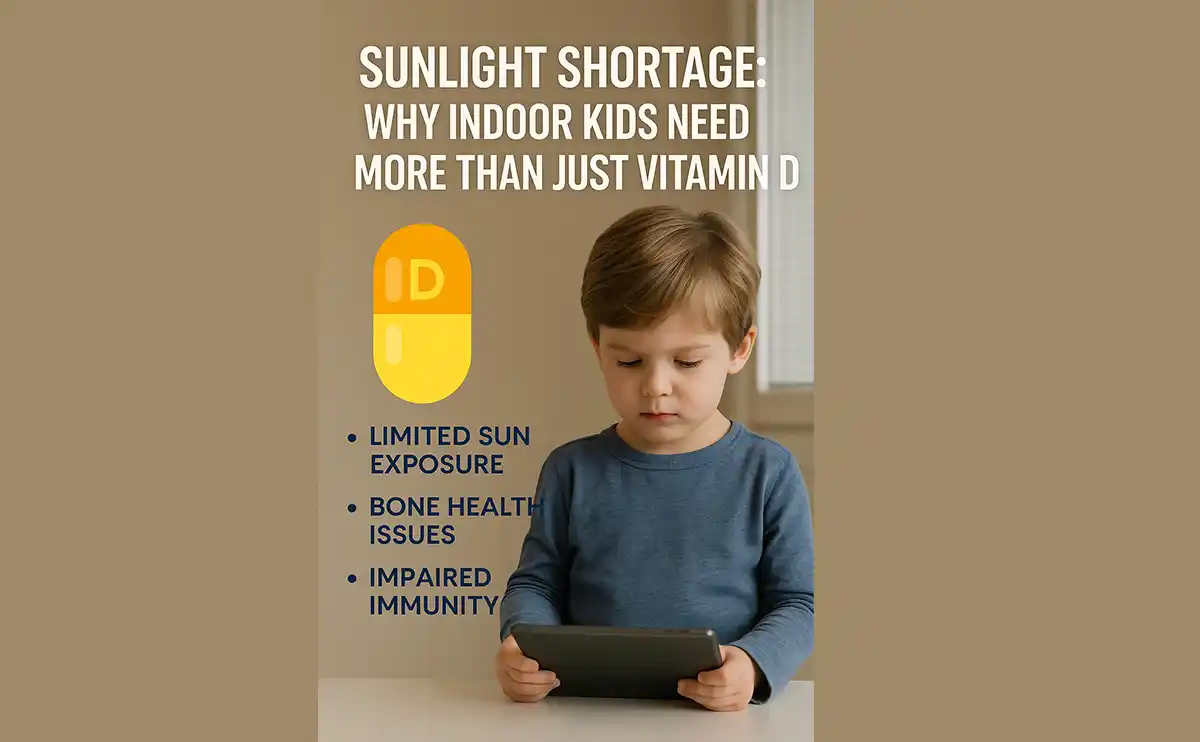
In today’s digital world, children are spending more time indoors than ever before—glued to screens, buried in homework, or simply missing out on outdoor play. While most parents recognize that less sunlight can lead to vitamin D deficiency, the health consequences of a "sunlight shortage" go far beyond just one vitamin.
This post explores why sunlight matters so much for growing kids and why indoor children need more than just a vitamin D supplement to thrive.
The Sunlight–Health Connection
Sunlight is a natural powerhouse of health. It triggers vitamin D production in the skin, regulates circadian rhythms, influences mood, and even supports immune function. But when children spend long hours indoors, they miss out on these critical benefits—leading to what some experts call “sunlight deficiency syndrome.”
What Happens When Kids Don’t Get Enough Sunlight?
- Weakened Bones and Growth Issues
Key Nutrient: Vitamin D
Sunlight helps the body produce vitamin D, which is crucial for calcium absorption and bone mineralization. In growing children, a deficiency can lead to:
- Rickets (soft, weak bones)
- Delayed growth
- Increased risk of fractures
- Disrupted Sleep Patterns
Key System: Circadian Rhythm
Sunlight, especially in the morning, helps regulate the body’s internal clock. A lack of natural light exposure can disturb sleep cycles, leading to:
- Insomnia
- Daytime fatigue
- Poor academic performance
- Mood Disorders and Behavioral Issues
Key Factor: Serotonin Production
Sunlight boosts serotonin, the “feel-good” neurotransmitter. When levels are low, it can cause:
- Irritability
- Anxiety
- Depression-like symptoms (Seasonal Affective Disorder in children is real)
- Weakened Immunity
Key Nutrients: Vitamin D, Zinc, Vitamin C
Sunlight strengthens the immune system not just by stimulating vitamin D, but also through its anti-inflammatory and antimicrobial effects. Less sun means:
- More frequent infections
- Slower recovery times
- Eye Development Problems
Key Factor: Natural Light Exposure
Studies show that children who get less outdoor light are at a higher risk of developing myopia (nearsightedness). Bright, natural light helps the eye grow properly and reduces the risk of long-term vision issues.
Why Vitamin D Supplements Alone Aren’t Enough
While vitamin D is critical, replacing sunlight with a pill misses the bigger picture. Sunlight affects many systems in the body—circadian rhythm, mood, eye health, and even hormonal balance. Supplements can’t replicate the full-spectrum light benefits that nature provides.
The Nutraceutical Approach to Indoor Kids’ Health
If sunlight exposure is limited, a broader nutritional and lifestyle strategy is needed. Here’s what to focus on:
✅ Vitamin D3 + K2
D3 is the more bioavailable form of vitamin D, and K2 helps ensure calcium is absorbed into the bones, not soft tissues. Look for combined supplements for bone health and cardiovascular safety.
✅ Omega-3 Fatty Acids (DHA + EPA)
Supports brain function, mood regulation, and eye health—especially important for screen-heavy, low-sunlight lifestyles.
✅ Magnesium
Works synergistically with vitamin D and helps with sleep, mood, and stress regulation.
✅ Zinc and Vitamin C
Powerful immune-boosting duo, essential for kids who are more prone to infections when indoors.
✅ Lutein and Zeaxanthin
These plant-based antioxidants protect the eyes from blue light damage caused by excessive screen time.
✅ Probiotics
Supports gut health, which in turn influences mood, immunity, and overall well-being—especially important when outdoor play and natural microbial exposure are limited.
Lifestyle Tips to Combat the Sunlight Shortage
- Morning Sunlight Ritual
Encourage your child to spend 15–30 minutes outside in the morning. It sets their body clock, boosts mood, and starts vitamin D production. - Outdoor Play Time
Even 30 minutes of active play in natural light daily can significantly benefit physical and mental health. - Create Sunlit Spaces at Home
Open windows, remove heavy curtains, and let the natural light in. - Limit Screen Time
Too much screen time not only keeps kids indoors but also impacts melatonin production, sleep, and vision. - Balanced Diet
Ensure meals are rich in vitamin D sources (eggs, fish, fortified dairy), omega-3s, fruits, and vegetables.
Final Thoughts: Let the Sunshine In
Vitamin D supplements are a helpful start, but they don’t replace the full spectrum of benefits sunlight provides. For the well-being of today’s indoor kids, we need to rethink not just their diet, but also their lifestyle.
At [Your Brand Name], we offer a complete range of children’s nutraceuticals designed to support immunity, cognitive function, bone strength, and vision health—especially for kids who don’t get enough time in the sun.
Support your child’s future with science-backed supplements and a lifestyle that welcomes a little more sunshine.