Blog
Why Prenatal Nutrition Shapes a Baby’s Future Health

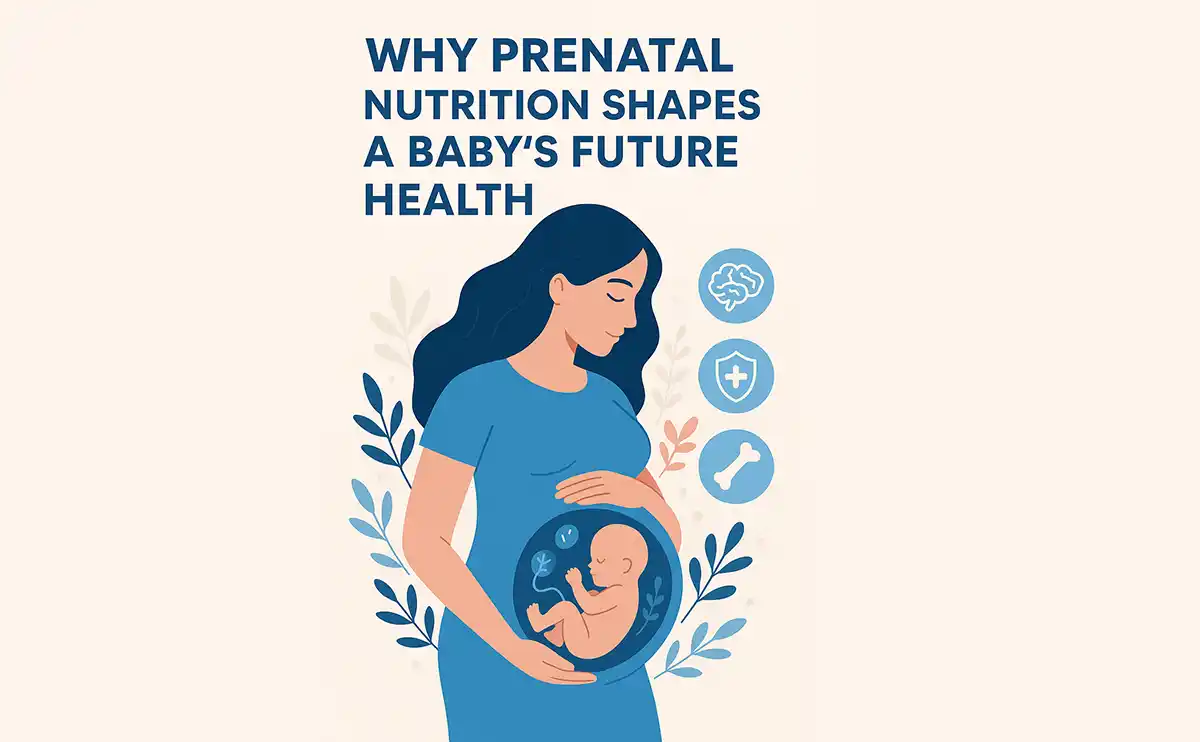
“You are what your mother eats.” This might sound like a playful phrase, but it holds serious scientific truth. Prenatal nutrition—the food and nutrients a mother consumes during pregnancy—plays a foundational role in shaping a baby’s health, development, and even their long-term risk of disease.
Let’s dive into why prenatal nutrition is critical and how mothers can make the best nutritional choices for a healthy pregnancy and a healthier future for their baby.
What Is Prenatal Nutrition?
Prenatal nutrition refers to the dietary intake and supplement choices made before and during pregnancy. It includes essential vitamins, minerals, macronutrients (carbohydrates, proteins, and fats), and hydration—all of which directly affect fetal growth and development.
During pregnancy, a mother’s nutritional needs increase significantly. Her body requires more nutrients to support the growing baby, the placenta, amniotic fluid, and the changes happening in her own body.
How Prenatal Nutrition Shapes Baby's Health
- Brain Development
Key Nutrients: DHA (Omega-3 fatty acids), Choline, Iodine, Iron, and Folate
A baby's brain begins to develop in the very early stages of pregnancy. Adequate levels of omega-3 fatty acids, particularly DHA, are essential for proper brain and eye development. Choline and iodine also support cognitive development and IQ potential later in life.
Impact: Poor nutrition during this period can lead to lower cognitive function, behavioral issues, and learning disabilities.
- Bone and Muscle Development
Key Nutrients: Calcium, Vitamin D, Magnesium, Protein
Strong bones and muscles are formed in the womb. Calcium and Vitamin D help build the baby’s skeletal system, while protein provides the building blocks for muscles and tissues.
Impact: Inadequate calcium intake during pregnancy may increase the mother’s risk of osteoporosis later in life and can compromise the baby’s bone strength.
- Immune System Programming
Key Nutrients: Zinc, Vitamin C, Vitamin A, Selenium, Probiotics
The baby’s immune system begins developing in utero. Nutrients that support immunity during pregnancy can influence the child’s resistance to infections and allergies in early childhood.
Impact: Good prenatal nutrition lowers the risk of asthma, eczema, and autoimmune diseases in children.
- Birth Weight and Preterm Birth
Key Nutrients: Folate, Iron, Omega-3s, Protein
Undernutrition or deficiencies during pregnancy are closely linked to low birth weight and premature birth—two major factors that increase infant mortality and developmental delays.
Impact: Babies with low birth weight are at higher risk for chronic diseases later in life, including heart disease, diabetes, and obesity.
- Metabolic Programming and Chronic Disease Risk
Key Nutrients: Balanced macronutrients, Antioxidants, Micronutrients
Emerging research in epigenetics and developmental origins of health and disease (DOHaD) shows that a baby’s metabolic system is shaped by prenatal nutrition. This means the way their body processes food and stores fat is influenced before they are even born.
Impact: Poor prenatal nutrition can “program” the child for metabolic issues like insulin resistance, obesity, and cardiovascular diseases in adulthood.
The Role of Prenatal Supplements
Even with a well-balanced diet, it’s challenging to meet all nutritional needs during pregnancy. That’s why healthcare providers often recommend prenatal supplements, which typically include:
- Folic Acid – prevents neural tube defects
- Iron – supports red blood cell production and prevents anemia
- Calcium and Vitamin D – for strong bones and teeth
- DHA – promotes brain and eye development
- Iodine – critical for thyroid and brain development
- Choline – supports brain and spinal cord formation
Choosing high-quality, bioavailable nutraceutical supplements ensures better absorption and greater benefits for both mother and baby.
Common Nutritional Pitfalls During Pregnancy
- Skipping meals due to nausea – leads to deficiencies in critical nutrients
- Overeating unhealthy cravings – causes excess weight gain and blood sugar imbalances
- Avoiding fats altogether – deprives baby of essential fatty acids like DHA
- Relying solely on supplements – whole foods provide synergy that pills alone cannot
Tips for Optimal Prenatal Nutrition
- Eat a rainbow – Colorful fruits and vegetables offer antioxidants and vitamins.
- Include healthy fats – Avocados, nuts, seeds, and oily fish provide essential fatty acids.
- Prioritize protein – Needed for tissue growth and hormone production.
- Stay hydrated – Dehydration affects amniotic fluid and nutrient delivery.
- Take recommended prenatal vitamins – Consistently and with food for best absorption.
- Limit caffeine and eliminate alcohol – These substances interfere with fetal development.
Final Thoughts: Nourish Now for a Healthier Tomorrow
The choices a mother makes during pregnancy ripple into her child’s future. Prenatal nutrition is not just about having a healthy pregnancy—it’s about laying the foundation for a lifetime of well-being for the baby.